
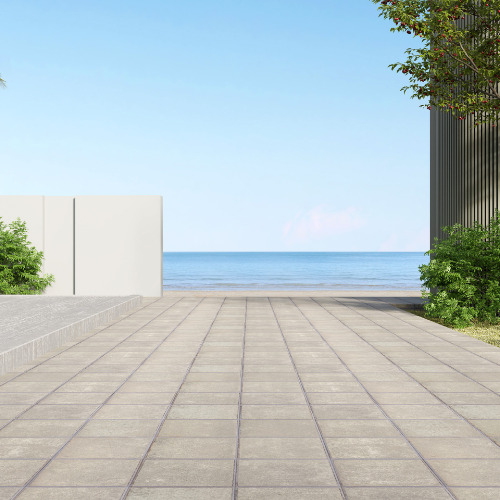
Stunning Hardscapes – Creative Ways to Improve Your Landscaping
Stunning Hardscapes can be a creative way to improve your landscaping. From patios to retaining walls, water features and more.
Hardscapes are non-living landscaping elements such as paving, walkways, and retaining walls. They can add structure and form to your landscape making it easier to maintain. They are great for hilly landscapes and can level them out.
Patios
Patios are a key part of any hardscape design. They provide a comfortable space to relax, a place for entertaining and a natural transition between your home and the rest of the yard.
Patios can be complemented with outdoor kitchens, seating areas and fireplaces to create the perfect ambiance for any space. They can even be designed to allow guests to traverse the garden without trampling plants.
Water hardscapes like fountains and ponds are also very popular with homeowners. Not only are they aesthetically pleasing, but the sound of flowing water is relaxing and provides a sense of tranquility to any landscape design.
Walkways
A walkway is a clearly defined path for pedestrians that can be made from a variety of hardscape materials. Concrete pavers are a great option that can be stamped and stained to look like stone or tile for a more visual appeal.
Earth tones are popular for walkways as they match traditional home colors and can blend in with the landscape. Organic mulch, such as wood chips or cocoa bean/cypress bark, also creates a casual feel and deters weeds.
Stepping stones are a whimsical option that can add an eye-catching design to any yard. They can be placed directly in the grass for a stepping stone walkway or combined with paving stones for a more unique design.
Retaining Walls
Retaining walls add structure and visual interest to your landscape design. They are often functional, redirecting water to prevent erosion or terracing sloped areas.
For an organic, natural look, try using a mix of blocks and split stones to create a unique style. Adding a cap or coping helps protect the wall from water damage and gives it a finished appearance.
Regular maintenance is important to ensure the longevity of retaining walls. Inspecting them regularly for signs of movement or damage is key, as well as keeping the soil free of large debris and plants with roots that may compromise stability. Proper drainage is also vital to avoid water buildup and structural damage.
Water Features
A water feature is an excellent way to add a unique focal point to your landscape design. From fountains to reflecting pools and koi ponds, there are many options that will make your landscape stand out from the rest.
Water features are also ideal for adding texture to the landscape. Reflections on the surface of the water and movement in the wind provide visual interest, and the sound of running water can be soothing to the ears.
A waterfall that flows into a pond is the perfect way to incorporate a water feature into your landscape. A mix of shade-loving plants and a seating area complete the look.
Fire Pits
Fire pits are a beautiful way to add warmth and illumination to your outdoor space. Choose a design that complements other elements in your landscape for an elegant look.
For example, if your landscape includes a Southwestern-inspired design, use the color palette to guide you when choosing your fire pit. Aztec-printed rugs and corten steel accents can play up this theme.
Alternatively, use the shape of your furniture to help you decide on a fire pit. For instance, the long, narrow silhouette of this custom fire pit complements this sofa. The curved edges of the fire pit also draw attention to the landscape and create a cozy seating area.
Pergolas
Pergolas are a beautiful and versatile way to define an outdoor space. Their traditional lattice form offers part-shade, part-sun protection—perfect for draping vines like wisteria. Consult a local nursery to select plants that thrive in your region.
These garden structures create a cozy spot for relaxing or dining al fresco. They also add architectural interest to a landscape, drawing the eye with their distinctive structure and shape.
A pergola can also mark a transition between different areas of your garden. In this California wine country garden from designer Susan Zises Green, a pergola marks the entrance to an alfresco dining area. Tubular 1940s rockers and a classic wrought-iron patio set add to the elegant atmosphere.