
The Benefits of Commercial Landscaping
Commercial landscapers do more than just mow the grass. They are involved in the design, installation, and maintenance of outdoor areas on business properties.
An attractive landscape sends a message of professionalism to clients and customers. It can also direct the flow of traffic and encourage people to stay longer.
Curb Appeal
Commercial landscaping offers a number of ways to enhance the visual appeal of your property. The first impression of your business sends an important message to current and prospective customers, clients, tenants, vendors and financial partners.
Having a professionally maintained exterior with colorful and interesting plantings demonstrates to your clientele that you have a keen eye for detail. A professional landscaper is also in a unique position to view your property with a fresh set of eyes and see areas that are overlooked by you and your staff.
Adding color with annual flower rotations adds a pop to high visibility areas like walkways, around outdoor seating and near entrances. This is a low cost way to make your business stand out and makes a positive impact with current and prospective customers, clients and tenants.
Safety
Landscaping can be a dangerous job. Hot temperatures, power tools and sharp implements can lead to injuries for workers on the jobsite. It’s important for commercial landscapers to follow general safety guidelines and time-proven protocols when performing their duties.
Commercial landscapers should always wear appropriate personal protective equipment (PPE), and be familiar with the proper use of handheld landscaping tools. They should also be able to rest periodically during strenuous jobs to prevent heat stress, which is a significant risk factor for workplace injuries.
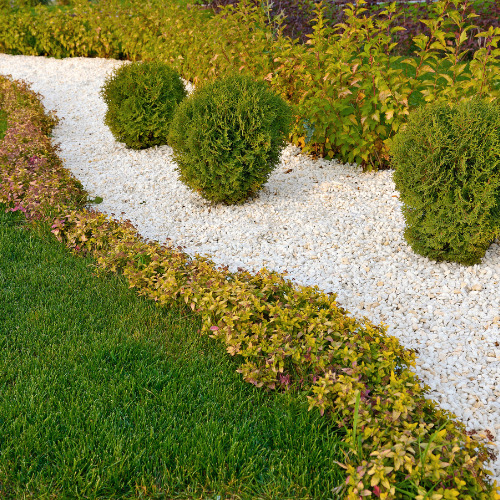
Strategically planted trees, shrubs and bushes can add privacy for businesses that may not want to have prying eyes on their customers or clients as they enter and exit the property. In addition, curb appeal can be improved with the installation of a low wall feature or simple pathway design that creates a sense of direction for visitors.
Maintenance
Commercial landscaping goes far beyond the basics of mowing and trimming. A professional landscaper will create a blueprint for the entire property, with specific timelines and service details. The blueprint will include shrubbery placement, mowing schedules, fertilization plans and weed control strategies.
Proper maintenance of the commercial landscape will keep it looking beautiful throughout the year. In winter, mulching and removing fallen leaves will help the lawn and plantings survive. In spring, a refresher pruning is necessary to ensure healthy growth and vibrant blooms. Fall and winter are also important times to apply fertilizers and pesticide treatments.
A professional, well-maintained commercial landscape will add value to the property, increasing its net worth for potential buyers. It will also send a message of professionalism and competence to customers and clients. In addition, it will encourage employees to stay longer and work more productively, improving employee retention rates. This translates into more revenue for the business and improved customer satisfaction.
Irrigation
A well-maintained landscape creates a professional look and sends the message that you care about your property. It also helps to attract and retain clients, customers and employees.
Efficient irrigation can reduce the costs of commercial landscaping and improve landscape health. Evaluating soil conditions, planting species, and sun exposure is critical to designing an efficient irrigation system. This can be done through a comprehensive site assessment and incorporating water management techniques like zoning and regular monitoring and maintenance.
Water conservation is key in any commercial property, and this can be achieved through smart irrigation systems and the selection of plants and trees that are adapted to local climate conditions. This also helps to reduce the amount of fertilizer required. Additionally, timing your irrigation system to begin in the early morning or after sunset ensures that water is absorbed by roots before it evaporates. This minimizes the need for manual watering.